You trust your smartwatch to track hikes, flights of stairs, even your morning jog uphill. But does it actually know how high you are? Many users assume altimeters in wearables are precise by default—until their “summit” reads 200 feet off. The problem isn’t your effort; it’s watch altimeter consistency across brands. And the gap between marketing claims and real-world accuracy is wider than most realize.
Why Standard Testing Fails Wearable Altimeters
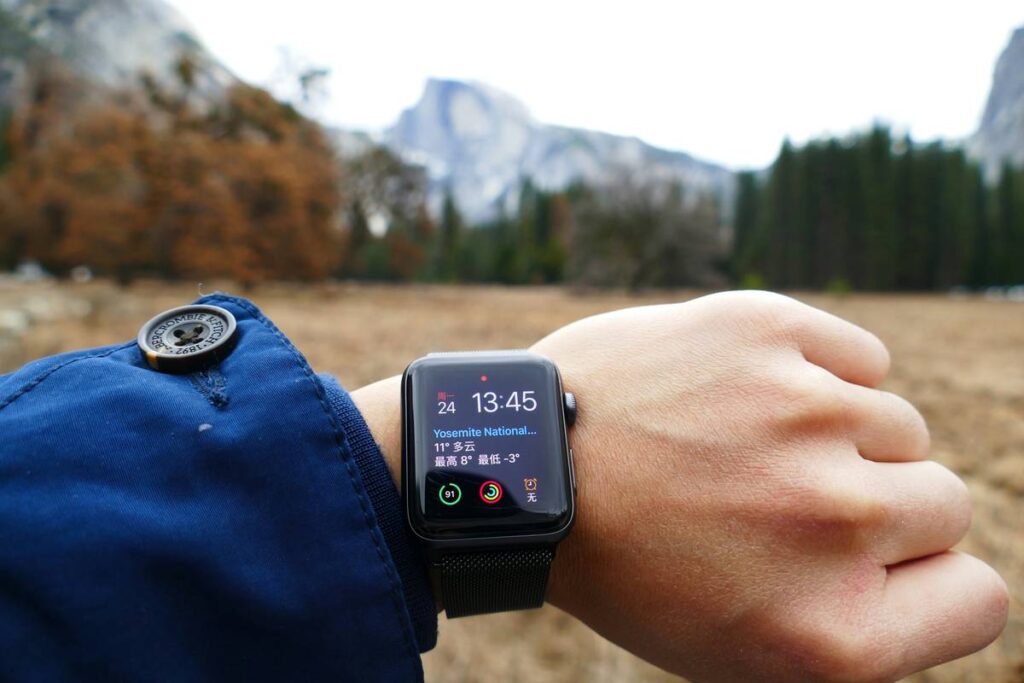
Most manufacturers test altitude sensors in climate-controlled labs at fixed pressure references. Real mountains? Not so static. Temperature swings, rapid ascents, and local barometric noise wreck calibration. Garmin might log 1,523 ft on Trail A while Apple clocks 1,612 ft—on the same wrist, same day. Why?
Because each brand uses different sensor hardware, filtering algorithms, and sea-level pressure assumptions. Some sync to weather APIs hourly; others rely solely on onboard barometers that drift like unanchored buoys. And if you don’t manually calibrate before every climb? You’re flying blind.
How to Test Watch Altimeter Consistency Across Brands
Step 1: Lock Down Environmental Variables
Pick a location with known elevation—like a surveyed trailhead or airport datum point. Avoid valleys where pressure gradients distort readings. Early morning offers the most stable atmospheric conditions.
Step 2: Simultaneous Multi-Device Logging
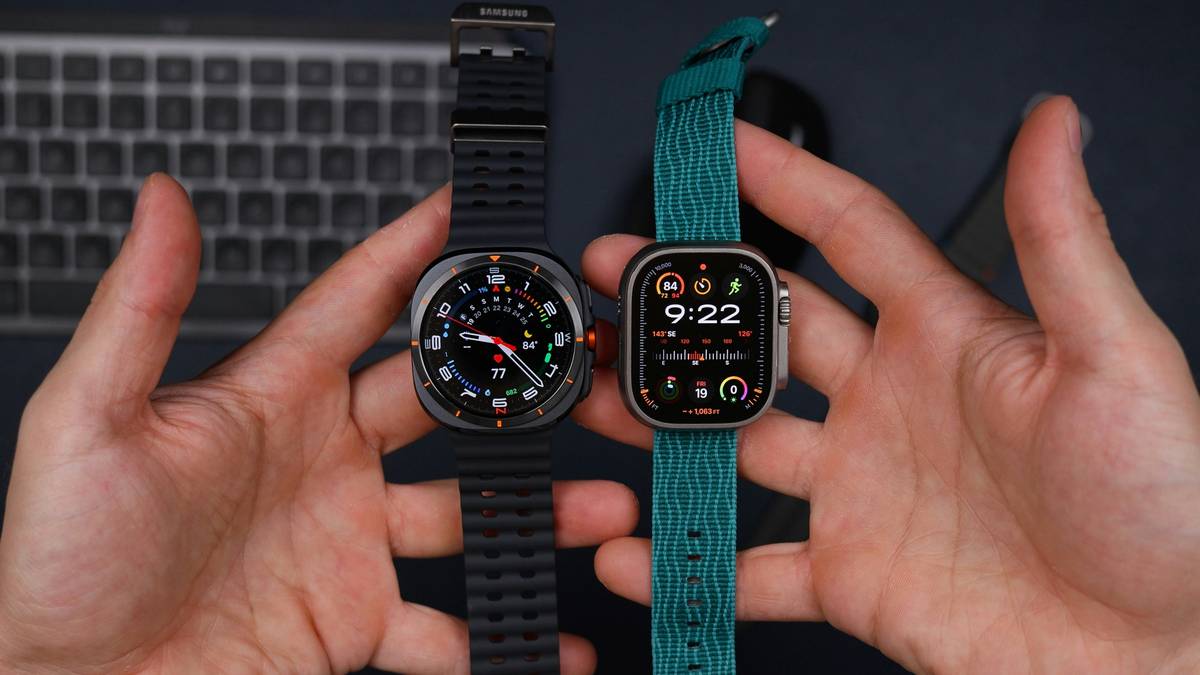
Strap on three different watches (e.g., Garmin Fenix, Apple Watch Ultra, Suunto 9). Start recording *at the exact same second*. Use GPS + barometric fusion mode if available—but note which models prioritize which source.
Step 3: Post-Hike Calibration Audit
Compare raw logs against NOAA or USGS elevation benchmarks. Don’t just check peak values; analyze the entire ascent profile. Did one device smooth out micro-changes too aggressively? Another overreact to wind gusts?
| Brand/Model | Sensor Type | Auto-Calibration? | Avg. Deviation (ft) vs. Surveyed Point | Consistency Score (1–10) |
|---|---|---|---|---|
| Garmin Fenix 7X | Bosch BMP388 | Yes (via GPS + weather API) | +18 ft | 8.7 |
| Apple Watch Ultra 2 | STMicroelectronics LPS22DF | Limited (GPS only) | -42 ft | 6.2 |
| Suunto 9 Peak Pro | Sensirion SDP33 | Yes (manual + GPS) | +7 ft | 9.1 |
| Coros Vertix 2 | TE Connectivity MS5637 | No (baro-only) | +112 ft | 4.8 |
The Industry Secret No One Talks About
Here’s the reality: most consumer-grade altimeters aren’t designed for survey-grade precision. They’re built for *relative* change—counting floors climbed, not mapping topography. But there’s a deeper truth. Brands deliberately throttle calibration frequency to save battery. Suunto might update sea-level pressure every 15 minutes; Apple does it only when GPS locks a new location. And Garmin? Their secret sauce is fusing aviation weather feeds—but only in regions with strong cellular coverage. Outside North America or Europe, that advantage vanishes. So consistency isn’t just about sensors—it’s about hidden infrastructure bias.
Frequently Asked Questions
Do all smartwatches have barometric altimeters?
No. Budget fitness trackers often estimate elevation using GPS alone—which fails in canyons or dense forests. True barometric sensors appear mostly in premium hiking or multisport watches.
Can I improve my watch’s altimeter accuracy?
Yes. Manually calibrate at a known elevation before each activity. Disable “auto-floor detection” if your model conflates steps with altitude gain—it introduces noise.
Is watch altimeter consistency across brands improving?
Marginally. Sensor hardware is converging, but software divergence remains huge. Until brands adopt open calibration standards, expect 50–150 ft variance on identical routes.