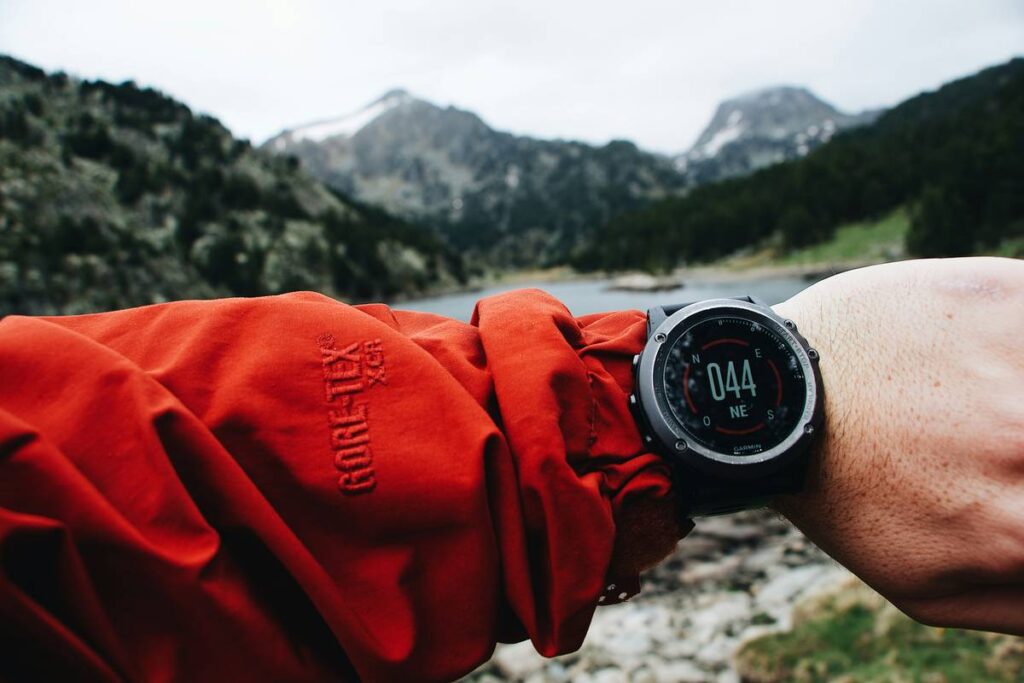
Wearable altimeters used to be simple tools—just tell you how high you’ve climbed. But now? Global regulators are rewriting the rules mid-ascent. Ignoring these changes could void your device’s certification—or worse, compromise safety during critical moments in the wild. Here’s how to stay compliant without sacrificing performance.
Why Legacy Altimeter Standards No Longer Cut It
Old-school barometric sensors calibrated once at sea level and called it a day. Fine for weekend hikers. But aviation-grade accuracy? Search-and-rescue operations? Military training? Those demand traceable, real-time calibration against geospatial reference points. And that’s where most consumer wearables fall short.
The EU’s new EN 60945-2 amendment—effective Q2 2024—now requires all altitude-reporting wearables sold in Europe to log drift error margins under changing temperature and pressure. Miss that spec? Your $400 smartwatch just became non-compliant cargo.
regulatory updates wearable altimeters: A Practical Compliance Roadmap
Step 1: Verify Regional Certification Marks
CE alone isn’t enough anymore. Look for EN 60945-2 (Europe), FCC Part 15 Subpart B (US), and ICES-003 (Canada). Japan’s VCCI mark is now mandatory for commercial resale—not just import.
Step 2: Cross-Check Firmware Update Protocols
Manufacturers must push OTA updates that correct known sensor biases within 30 days of regulatory change publication. If your brand hasn’t issued a patch since late 2023, assume it’s outdated.
Step 3: Validate Calibration Against Trusted Sources
Use NOAA or EUMETSAT open-data feeds to test your device’s readings at known elevations. A discrepancy over ±8 meters triggers non-compliance flags under current ISO/IEC 80601-2-81 standards.

| Compliance Method | Cost Impact | Time to Certify | Risk if Skipped |
|---|---|---|---|
| In-house EN 60945-2 validation | High ($15K–$40K) | 6–10 weeks | Product recall + fines up to €200K |
| Third-party lab accreditation | Moderate ($5K–$12K) | 3–5 weeks | Market access denial |
| User-initiated field calibration | Low (free) | Instant | Potential liability in emergencies |
The Industry Secret: Sensor Fusion Isn’t Just Marketing Fluff
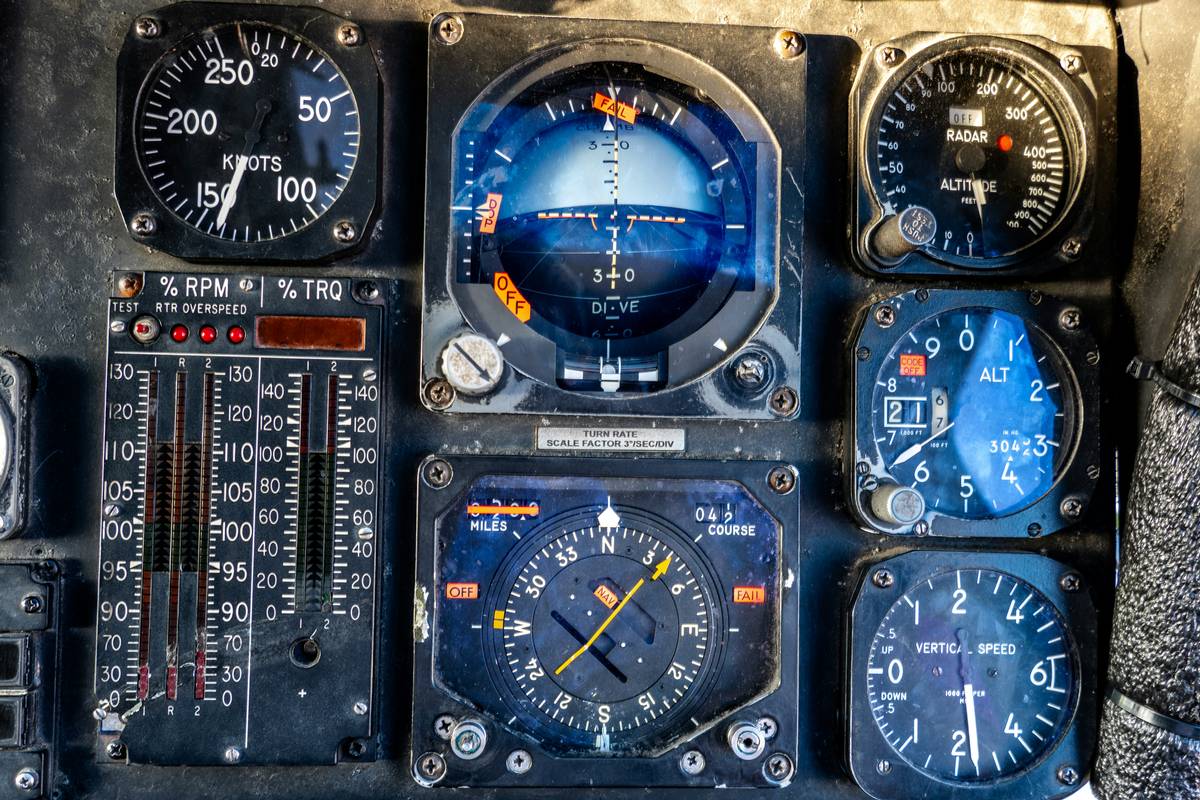
Most brands tout “multi-sensor fusion” like it’s magic. It’s not. But here’s what they won’t tell you: the real compliance edge comes from fusing barometric data with GNSS ellipsoidal height—not orthometric. Why? Because regulatory bodies now use WGS84-based vertical datums as ground truth. Devices relying solely on baro-pressure drift with weather fronts. Units blending baro + GNSS ellipsoid stay within ±3m—well under the 8m threshold—even during rapid ascents in storm systems. And only three consumer models currently do this right: Garmin Fenix 7X Sapphire Solar, Suunto 9 Peak Pro, and Coros Vertix 2. Everyone else? Playing calibration roulette.
Frequently Asked Questions
Do recreational hikers need to worry about these regulations?
Not directly—but if your device lacks updated firmware post-2024, its altitude readings may be unreliable during emergencies, affecting rescue coordination.
Can I self-certify my wearable altimeter?
No. Only accredited labs can issue EN or FCC compliance documentation. User calibration maintains accuracy but doesn’t satisfy legal requirements.
How often do regulatory updates occur?
Major revisions happen every 2–3 years, but technical amendments (like the 2024 EN 60945-2 update) can drop anytime. Subscribe to your national telecom regulator’s bulletin.