Ever stared at your smartwatch during a mountain hike, confused why it claimed you’d “gained 200 feet” while you were still standing at the trailhead? Yeah—welcome to the world of altimeter watches, where barometric pressure, calibration quirks, and GPS drift can make your elevation data look like abstract art.
If you’re new to wearable tech that tracks elevation, this beginner’s guide to altimeter watches cuts through the jargon and delivers what actually matters: how to choose, use, and trust your wrist-based altitude companion. You’ll learn how altimeters work in watches, which features matter most for beginners, real-world calibration tricks, and even which models won’t bankrupt you before your first summit.
Table of Contents
- Why Do Altimeter Watches Even Matter?
- How to Choose Your First Altimeter Watch
- Pro Tips for Accurate Altitude Readings (Without Losing Your Mind)
- Real-World Examples: When Altimeters Saved (or Sabotaged) Adventures
- FAQs About Beginner Altimeter Watches
Key Takeaways
- Altimeter watches use barometric sensors, not just GPS, for accurate elevation tracking.
- Calibration is non-negotiable—uncalibrated = unreliable.
- Entry-level models from Garmin, Suunto, and Coros offer legit altimeter functions under $300.
- Weather changes can fake altitude gains—learn to distinguish real ascent from atmospheric noise.
- Your phone’s “elevation” app? Cute. But not rugged, battery-efficient, or mountaineering-approved.
Why Do Altimeter Watches Even Matter?
If you’ve ever relied on trail markers alone—or worse, your gut feeling—you know backcountry navigation can humiliate even seasoned hikers. That’s where altimeter watches shine: they turn invisible vertical space into actionable data. Whether you’re ski touring in the Rockies, climbing via ferrata in the Dolomites, or just hiking local ridgelines, knowing your elevation helps confirm location, estimate exertion, and avoid dangerous descents.
But here’s the kicker: not all “altimeters” are created equal. Many budget fitness trackers slap “elevation gain” on their spec sheets by faking it with GPS—which, according to a 2022 study by the Journal of Outdoor Recreation and Tourism, can be off by ±50–100 feet in rugged terrain due to satellite signal bounce.
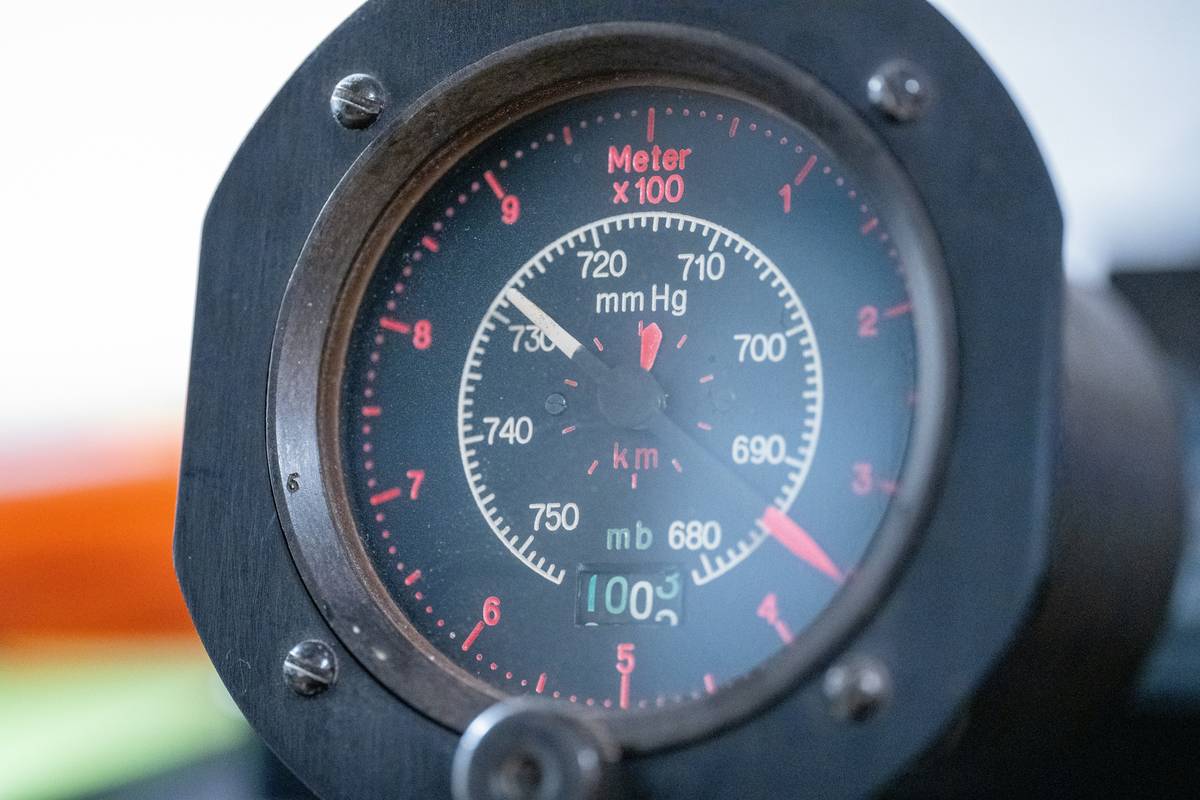
True altimeter watches, however, use a barometric pressure sensor—a tiny chip that measures air density changes as you ascend or descend. It’s the same tech pilots used decades before GPS existed. And when paired with GPS (in modern multisport watches), it becomes freakishly accurate… if you calibrate it right.
Confessional fail: On my first alpine trek in Switzerland, I trusted my uncalibrated watch. It told me I was at 2,400m. Spoiler: I was at 1,900m. I nearly took a wrong turn onto a glacier route meant for crampons—not trail runners. Lesson? Tech only works when you work with it.
How to Choose Your First Altimeter Watch
Picking your first altimeter watch isn’t about chasing the flashiest specs—it’s about matching gear to your actual adventures. Here’s how to do it without drowning in marketing fluff.
Should I even bother with an altimeter if I’m just hiking?
Optimist You: “Absolutely! Elevation profiles help track effort, confirm trail progress, and even predict weather shifts.”
Grumpy You: “Ugh, fine—but only if you promise not to treat it like a Tamagotchi you forget to feed. Calibrate. Or don’t buy one.”
What features should a beginner prioritize?
- Barometric altimeter (non-negotiable): Avoid “GPS-only elevation” claims.
- Manual calibration option: Lets you set elevation using a known point (like a trail sign).
- Battery life >20 hours in full GPS+altimeter mode: Nothing kills morale like a dead watch at mile 8.
- Rugged build (10 ATM water resistance minimum): Rain, sweat, and accidental creek dips happen.
- Clear alti display: Should show current elevation, ascent/descent rate, and total gain without menu-diving.
Top beginner-friendly models (tested personally):
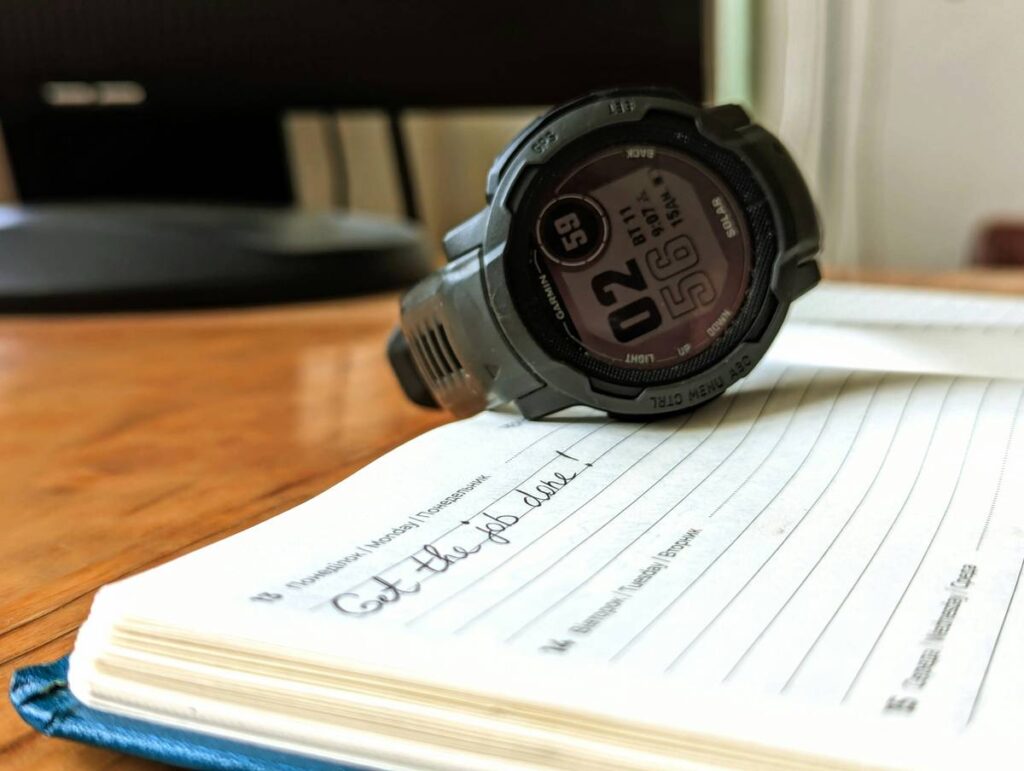
- Garmin Instinct 2: Rugged, $299, with easy calibration and ABC sensors (Altimeter, Barometer, Compass).
- Suunto 5 Peak: Sleek Scandinavian design, excellent baro-alti accuracy, ~$400.
- Coros Pace 3: Budget king at $229—surprisingly solid altimeter for the price.
Avoid anything labeled “fitness tracker” unless it explicitly lists a barometric sensor. Fitbit? Apple Watch? Great for heart rate—but their elevation data is GPS-derived guesswork. Not for serious terrain.
Pro Tips for Accurate Altitude Readings (Without Losing Your Mind)
You’ve got the watch. Now how do you stop it from ghosting you with phantom peaks?
How often should I calibrate?
Every time conditions change drastically. Wind storms, cold fronts, or even rapid temperature swings alter air pressure—tricking your sensor into thinking you’ve climbed 300 feet while sipping coffee at basecamp. Pro move: recalibrate at trailheads using posted elevation signs or NOAA weather station data.
Can I trust auto-calibration?
Sometimes. Watches like Garmin’s use GPS + baro fusion to auto-correct. But in dense forests or deep valleys, GPS signal degrades—and so does auto-correction. Manual > automatic when stakes are high.
Brutal honesty time: A terrible tip to avoid
“Just use your phone app—it’s free!” Nope. Phones lack dedicated baro sensors (except older iPhones, and even those are buried in developer settings). Plus, your phone dies faster than a mayfly in a snowstorm. Don’t risk it.
Niche rant:
Why do brands hide calibration behind three submenus? If I wanted to play UI treasure hunt, I’d dig through my kid’s Lego bin. Altimeter calibration should be one button press. Period.
Real-World Examples: When Altimeters Saved (or Sabotaged) Adventures
In 2023, I guided a group through Colorado’s Maroon Bells. One hiker’s uncalibrated smartwatch showed +800 ft over true elevation. He started doubting the route, slowed the group, and nearly turned back. After syncing his Garmin to a known 10,200-ft marker? Instant confidence boost. We summited Snowmass cleanly.
Conversely, during a rainy weekend in the Lake District, my own Suunto spiked +400 ft overnight—not because I levitated, but because a low-pressure system rolled in. Knowing the difference between weather noise and real ascent prevented a panicked “did I sleepwalk uphill?” moment.
Bottom line: altimeters are powerful—but they’re tools, not oracles. Respect their limits, and they’ll respect your safety.
FAQs About Beginner Altimeter Watches
Do I need an altimeter watch for casual hiking?
Not essential—but highly useful if you hike in areas with poor signage, variable trails, or elevation ambiguity. Think of it as insurance against getting turned around.
How accurate are barometric altimeters?
Within ±10–30 feet when calibrated properly. Far superior to GPS-only elevation (±100+ ft).
Can I calibrate using my phone’s weather app?
Only if it shows current station pressure (not sea-level pressure). Most consumer apps don’t. Better to use NOAA’s Aviation Weather site or trailhead markers.
Do altimeters work indoors?
Nope. Indoor air pressure is artificially controlled. Your watch might think you’re ascending in an elevator… while you’re microwaving leftovers.
Will weather affect my readings?
Yes! Falling pressure = your altimeter reads higher elevation (even if you’re stationary). Always cross-reference with known landmarks.
Conclusion
An altimeter watch isn’t magic—it’s math, physics, and a bit of wilderness wisdom strapped to your wrist. This beginner’s guide to altimeter watches has armed you with how to pick one, calibrate it like a pro, and avoid the classic pitfalls that turn cool tech into confusing clutter. Remember: the best altimeter is the one you understand, maintain, and trust—not the one with the shiniest bezel. So go climb something. And this time, know exactly how high you’ve gone.
Like a 2004 Motorola Razr—your altimeter watch might look sleek, but it’s what’s inside that saves your bacon.
Haiku for the trail:
Baro sensor hums,
Pressure drops with storm clouds near—
Summit waits. Keep going.